
Reflexology
Foot Reflexology in Saskatoon
Reflexology is a gentle, non-invasive healing therapy that treats the whole person—body, mind, and spirit. With roots tracing back thousands of years to ancient Egypt and China, reflexology is based on the understanding that specific areas on the feet and hands correspond to energy zones or meridians throughout the body.
The feet alone contain over seven thousand nerve endings. Waste products can accumulate on these nerve endings, blocking the natural flow of energy and potentially causing pain or dysfunction in other areas such as the neck or back. When this happens, the body’s natural healing ability can be impaired.
A trained reflexologist uses expert, gentle massage techniques to stimulate these nerve endings, increasing blood circulation and encourage the elimination of toxins through the lymphatic system. This process supports the body’s innate ability to heal itself naturally.
One of the immediate benefits of reflexology is deep relaxation, which helps reduce mental stress and promote emotional balance by calming the nervous system.
Book Reflexology With:
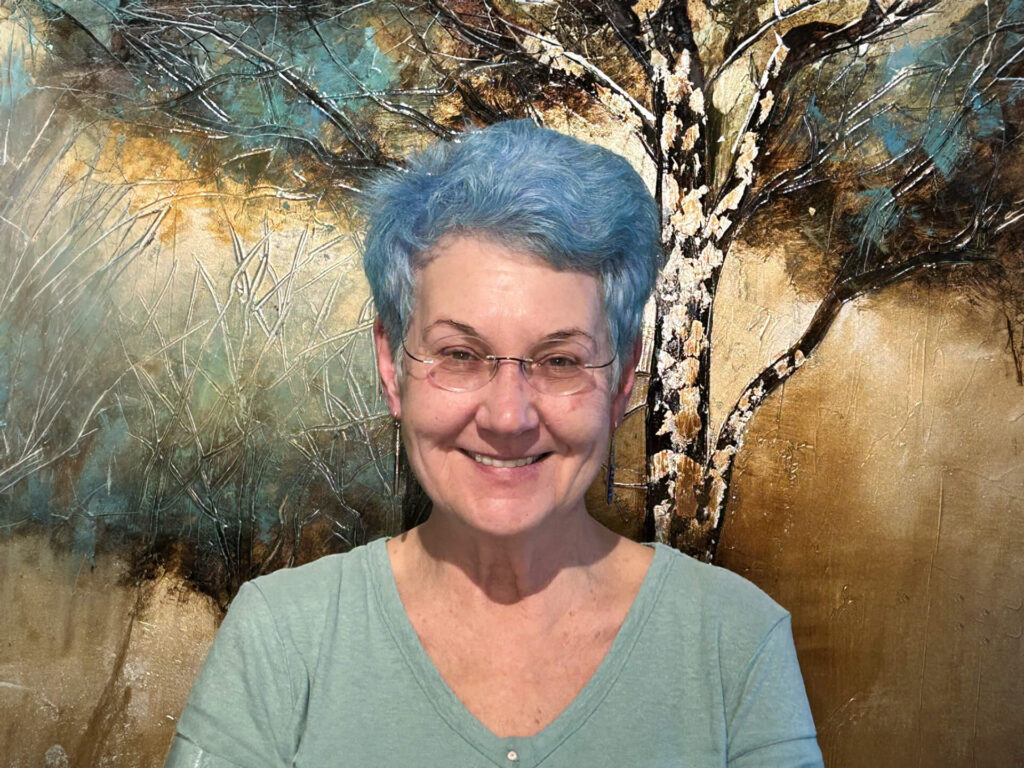
Marina Dashkova
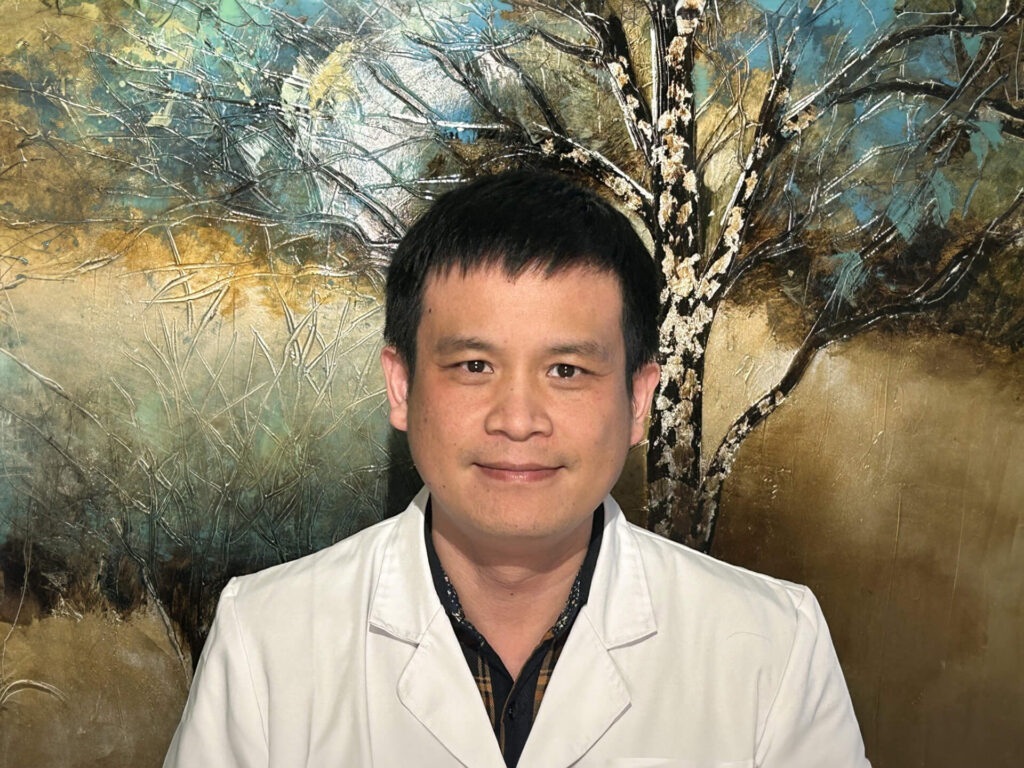
Jason Qiu

Daniel Gralian
When you arrive, we’ll start with a short conversation about your health, lifestyle, and any specific concerns you’d like to address. You’ll then recline in a comfortable chair or treatment table, fully clothed except for your shoes and socks.
Your reflexologist will use gentle pressure techniques on your feet (and sometimes hands or ears) to stimulate specific reflex points. These points correspond to different organs, glands, and systems in your body, supporting relaxation and balance.
You may feel:
Deep relaxation — many clients even drift off to sleep.
Mild tingling or warmth in certain areas of your feet.
Gentle pressure sensitivity in spots that may relate to areas of tension in your body.
After the session, clients often describe feeling lighter, calmer, and more grounded. Some experience a short period of detox-like symptoms (such as increased thirst, more frequent urination, or slight fatigue) as the body processes and rebalances — this is completely normal and usually passes quickly.
The ideal frequency depends on your goals, your current health, and how your body responds. For general relaxation and wellness, many people enjoy reflexology once or twice a month. If you’re working through a specific concern—such as stress, tension, or chronic discomfort—weekly sessions for a set period may help accelerate results. As your body regains balance, you can often space treatments further apart. Your reflexologist will work with you to create a plan that fits your needs, lifestyle, and budget.
Reflexology is beneficial for stress reduction, pain relief, improving sleep, supporting digestive health, reducing headaches, and enhancing overall wellbeing.
No. Reflexology is performed on the feet, hands, or ears. You only need to remove your shoes and socks for a foot reflexology session.
No. While it can feel relaxing like a massage, reflexology works on specific reflex points that correspond to different organs and systems in the body, aiming to support your overall health and balance.
Yes. Reflexology isn’t just for addressing discomfort — it can also help maintain well-being, reduce stress, improve sleep quality, and boost your body’s resilience. Many clients use it as part of their regular self-care routine.
Yes. Because reflexology works through the nervous system, it can sometimes unlock stored tension or emotions. This is a normal part of the body’s healing process and is handled gently and respectfully.
Absolutely. Reflexology pairs beautifully with massage, craniosacral therapy, aromatherapy, or other holistic practices to create a comprehensive wellness plan.