
Acupuncture
Acupuncture in Saskatoon
Acupuncture is one of the oldest healing practices in the world, originating thousands of years ago as part of Traditional Chinese Medicine (TCM). At its core is the concept of qi (pronounced chee) — the body’s vital life force that flows through an interconnected network of pathways called meridians. When qi moves freely, the body functions in a state of balance and health. When this flow is blocked or unbalanced, discomfort, illness, or disease may arise.
Acupuncture works to restore harmony by stimulating specific points along these meridians, known as acupoints. Using extremely fine, sterile needles, an acupuncturist gently activates the body’s own healing mechanisms, encouraging the free flow of qi and supporting overall well-being.
While rooted in ancient tradition, acupuncture has evolved to include modern approaches such as anatomical or neuroanatomical acupuncture, which integrate Western medical knowledge of anatomy and physiology. This blending of traditional wisdom and contemporary science allows acupuncture to be tailored to the needs of each client.
During your session, you’ll remain fully clothed except for your shoes and socks, resting in a comfortable, supportive position while the practitioner works. The treatment is non-invasive and safe for people of all ages. Many clients find the experience deeply soothing, often drifting into a meditative state. While the pressure applied is firm enough to activate the reflex points, it is always adjusted for your comfort and individual needs.
Acupuncture can be beneficial for:
Pain conditions (chronic or acute)
Headaches and migraines
Menstrual discomfort and hormonal imbalances
Arthritis and joint pain
Stress, anxiety, and depression
Respiratory disorders
Digestive concerns
Nausea and vomiting from chemotherapy or post-surgery
Book Acupuncture With:
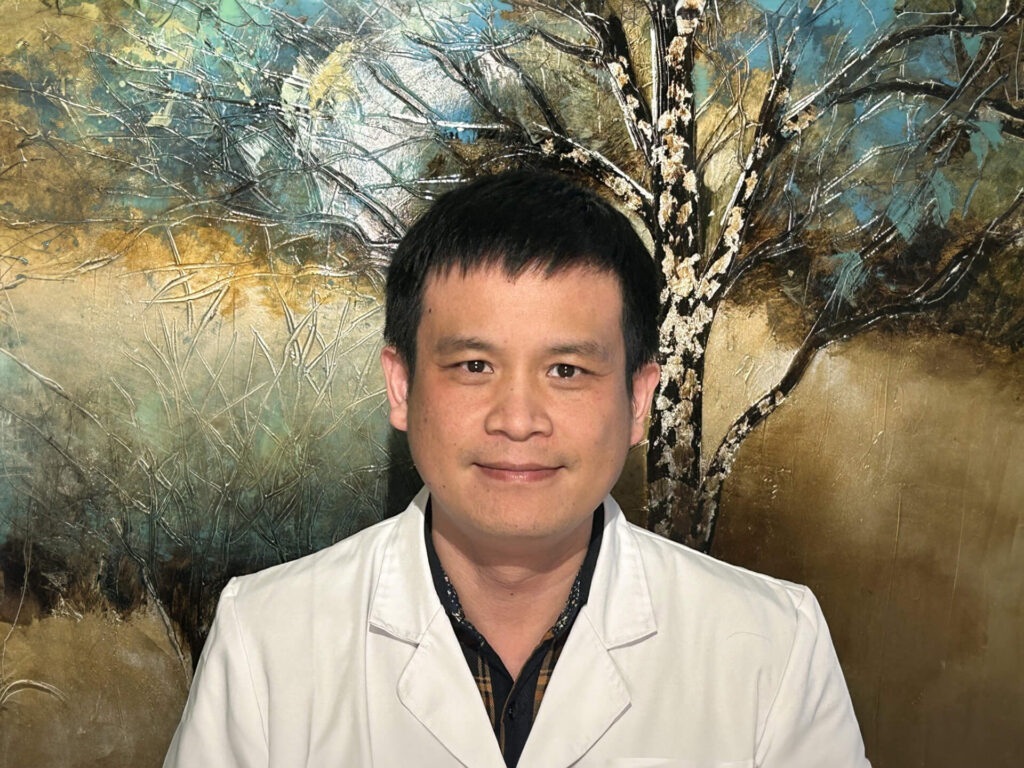
Jason Qiu
Most people feel only a slight prick or no pain at all during needle insertion. Many find the sensation calming, and some even fall asleep during treatment.
Acupuncture stimulates specific points on the body to encourage the flow of energy (Qi) and restore balance. Modern research suggests it also activates the nervous system, releases natural pain-relieving chemicals, and supports circulation, reducing inflammation and promoting healing.
It depends on your health concerns, how long you’ve had them, and your overall wellness goals. Some people notice results after 1–2 sessions, while others benefit from a series of weekly treatments before transitioning to maintenance visits.
When performed by a trained professional, acupuncture is extremely safe. Sterile, single-use needles are always used, and your practitioner will adapt treatments to suit your health history and comfort level.
While both use thin needles, acupuncture is rooted in Traditional Chinese Medicine and focuses on balancing energy flow through meridians to treat the whole person. Dry needling targets muscular trigger points specifically to relieve pain and tension, often used by physical therapists.
Yes! Acupuncture supports the nervous system and can help regulate stress hormones, making it effective for anxiety, depression, and mood imbalances. It encourages relaxation and emotional balance by promoting the flow of Qi related to mental and emotional wellbeing.
By balancing Qi, acupuncture can help reduce fatigue and increase vitality. Many clients report feeling more energized yet calm after sessions, as their body’s natural rhythms are restored.
You might feel deeply relaxed, energized, or experience temporary symptom relief. Occasionally, people feel mild soreness or fatigue for a day or two — a normal sign that your body is responding to treatment.
Yes! Acupuncture can complement massage therapy, chiropractic care, physiotherapy, or other holistic and medical treatments, often enhancing overall results.